
Imagine waking up feeling fully refreshed—without hitting the snooze button, relying on caffeine, or dragging yourself through the morning.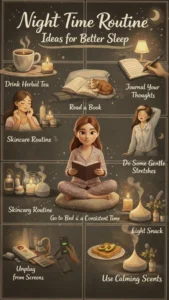
For many people, poor sleep isn’t caused by a lack of time in bed. It’s caused by an environment that quietly works against the body’s natural sleep cycle.
Your bedroom temperature, lighting, noise levels, evening screen habits, and even your bedtime routine can determine whether you experience deep, restorative sleep or spend the night tossing and turning.
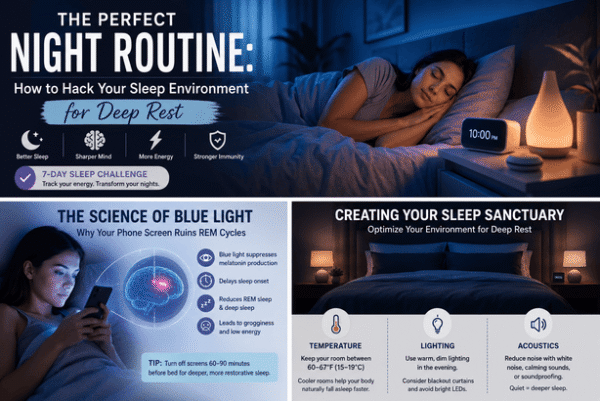
Instead of searching for another quick fix, take this 7-Day Night Routine Challenge. Follow the simple steps below, track your energy each morning, and see how small changes can lead to better sleep and brighter days.
The 7-Day Night Routine Challenge
Each night, complete the following checklist: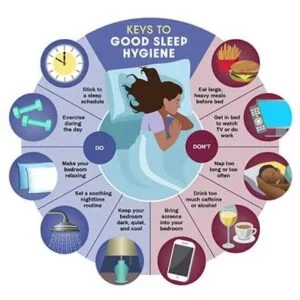
✅ Stop using bright screens at least 60 minutes before bed.
✅ Dim your room lights after sunset.
✅ Keep your bedroom cool and quiet.
✅ Avoid heavy meals and caffeine late in the evening.
✅ Read a book or practice deep breathing for 10 minutes.
✅ Go to bed at the same time every night.
Each morning, rate your energy from 1 to 10.
| Day | Bedtime | Wake Time | Energy (1–10) | Mood | Notes |
|---|---|---|---|---|---|
| Monday | |||||
| Tuesday | |||||
| Wednesday | |||||
| Thursday | |||||
| Friday | |||||
| Saturday | |||||
| Sunday |
Bookmark this page and revisit your progress after one week. Many people notice improvements simply by becoming more consistent with their evening habits.
Why Quality Sleep Matters More Than Quantity
Sleeping eight hours doesn’t always mean you’re well-rested.
The real goal is spending enough time in the deeper stages of sleep, including slow-wave sleep and REM (Rapid Eye Movement) sleep, where your body and brain perform essential maintenance.
During quality sleep, your body: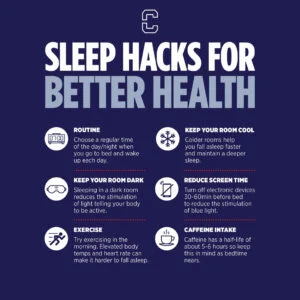
- Repairs muscles and tissues
- Strengthens immune function
- Supports memory and learning
- Regulates hormones
- Balances appetite
- Improves mood and emotional resilience
When these sleep stages are disrupted night after night, you may wake up feeling tired even after spending plenty of time in bed.
The Science of Blue Light: Why Your Phone Screen Disrupts REM Sleep
One of the biggest enemies of healthy sleep is the device you’re probably holding right now.
Phones, tablets, laptops, and televisions emit blue light, which can suppress the body’s natural production of melatonin—the hormone that signals it’s time to sleep.
When you scroll through social media or answer emails late at night, your brain receives a confusing message:
“It’s still daytime. Stay alert.”
This can:
- Delay the time it takes to fall asleep
- Reduce deep and REM sleep
- Increase nighttime awakenings
- Leave you feeling groggy the next morning
Better Evening Alternatives
Instead of scrolling before bed, try:
- Reading a printed book
- Journaling
- Gentle stretching
- Listening to calming music
- Practicing meditation or breathing exercises
- Preparing tomorrow’s to-do list
If screen use is unavoidable, enable your device’s night mode or use blue-light filtering settings, but remember that reducing overall screen time before bed is even more effective.
Step 1: Create the Perfect Sleep Sanctuary
Your bedroom should signal one thing to your brain: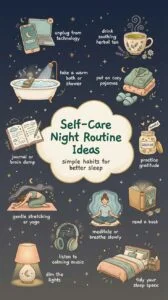
“It’s time to rest.”
Here are the three pillars of an ideal sleep environment.
Temperature
A slightly cool bedroom helps your body lower its core temperature, an important signal that supports falling asleep.
Many sleep experts recommend keeping the room around 15–19°C (60–67°F), though personal comfort varies.
If possible:
- Use breathable cotton bedding.
- Wear lightweight sleepwear.
- Improve airflow with a fan or ventilation.
Lighting
Light has a powerful influence on your internal body clock.
In the evening:
- Use warm, dim lighting.
- Avoid harsh overhead LEDs.
- Consider blackout curtains if outside light enters your room.
- Cover bright electronic indicators if they disturb you.
In the morning, expose yourself to natural sunlight soon after waking to reinforce a healthy sleep-wake cycle.
Acoustics
Unexpected noise can interrupt sleep even if you don’t fully wake up.
Helpful strategies include:
- White noise machines
- Soft nature sounds
- Earplugs if appropriate
- Carpets or curtains that reduce echoes
- Closing windows if outside traffic is loud
A quieter bedroom often leads to fewer nighttime interruptions.
Step 2: Build a Consistent Evening Ritual
Your body loves routine.
A predictable sequence of calming activities tells your brain that bedtime is approaching.
Here’s an example 60-minute routine:
60 Minutes Before Bed
- Turn off work notifications.
- Stop checking emails.
- Switch devices to silent mode.
45 Minutes Before Bed
- Dim the lights.
- Prepare your bedroom.
- Set tomorrow’s clothes or work essentials.
30 Minutes Before Bed
- Read a book or magazine.
- Sip a warm, caffeine-free herbal tea.
- Practice gentle stretching.
15 Minutes Before Bed
- Deep breathing or meditation.
- Gratitude journaling.
- Lights out at the same time every night.
Consistency is often more important than perfection.
Step 3: Fuel Better Sleep Naturally
What you eat and drink during the evening can influence how easily you fall asleep.
Try to:
- Eat dinner two to three hours before bedtime.
- Limit heavy, spicy, or greasy meals late at night.
- Reduce alcohol close to bedtime, as it can disrupt sleep quality.
- Avoid caffeine in the late afternoon and evening if you’re sensitive to it.
Staying hydrated throughout the day is important, but consider reducing large amounts of fluid right before bed to minimize nighttime awakenings.
Natural Alternatives to Over-the-Counter Sleep Aids
Occasional sleep difficulties are common, but relying on sleep medications every night may not address the underlying cause.
Many people benefit from lifestyle-based approaches first.
These may include:
Chamomile Tea
A warm, caffeine-free evening drink that many people find relaxing as part of a bedtime routine.
Magnesium-Rich Foods
Foods such as spinach, pumpkin seeds, almonds, and black beans contribute to a balanced diet and support normal muscle and nerve function.
Lavender Aromatherapy
Some people find that the scent of lavender creates a calming bedtime atmosphere.
Mindfulness Meditation
Even 10 minutes of slow breathing or guided relaxation can help reduce pre-sleep stress.
Gentle Yoga or Stretching
Light stretching can ease physical tension accumulated during the day.
If sleep problems are persistent or severe, consult a qualified healthcare professional rather than self-treating with supplements or medications.
Common Habits That Quietly Sabotage Your Sleep
Even healthy people can struggle with sleep if these habits become routine:
- Scrolling social media in bed
- Drinking coffee late in the day
- Working from your bed
- Keeping bright lights on until bedtime
- Sleeping in for hours on weekends
- Checking the clock repeatedly during the night
- Eating heavy meals just before sleep
Replacing just one of these habits can make a noticeable difference over time.
Your Bedroom Sleep Checklist
Before you go to bed tonight, ask yourself:
✔ Is the room cool and comfortable?
✔ Are the lights dim?
✔ Is my phone out of reach?
✔ Is the room quiet?
✔ Have I avoided caffeine this evening?
✔ Do I have a consistent wake-up time for tomorrow?
Small improvements add up to better sleep quality.
When to Seek Professional Help
If you’ve practiced good sleep habits consistently but still experience:
- Difficulty falling asleep most nights
- Loud snoring or breathing pauses during sleep
- Excessive daytime sleepiness
- Frequent nighttime awakenings
- Symptoms lasting several weeks or longer
it’s important to speak with a healthcare professional or a sleep specialist. Persistent sleep problems may have underlying causes that require proper evaluation and treatment.
Final Thoughts
Great sleep isn’t built on one expensive gadget or a miracle supplement. It’s the result of creating an environment and routine that allow your body to do what it was designed to do.
For the next seven nights, commit to this challenge:
- Reduce evening screen time.
- Create a cool, dark, and quiet bedroom.
- Follow the same bedtime routine every night.
- Track your morning energy.
You may be surprised by how much better you feel—not because you slept longer, but because you slept smarter.
Your best tomorrow begins with the choices you make tonight.








Leave a Reply